The Encampments
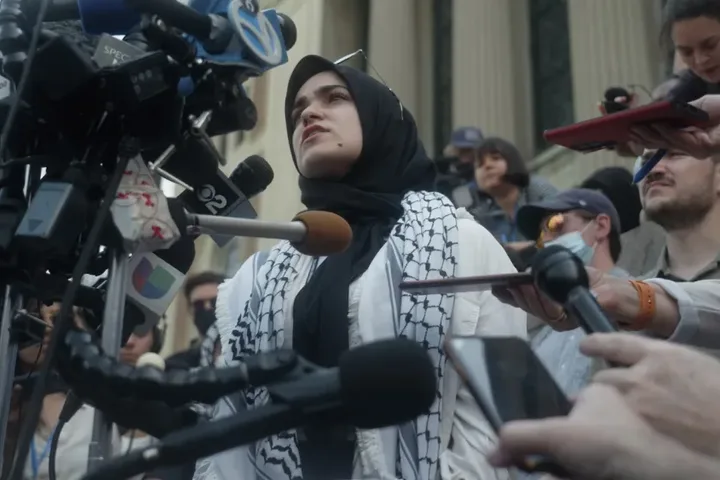
A documentary the platforms wouldn't carry advertising for, two weeks to theatrical, and a media narrative working against it. We abandoned the paid playbook and built the campaign on organic and grassroots distribution.
Most brands burn their best energy perfecting what to say. The harder questions are who it's actually for, where those people already are, and what would make them trust you. That's the work we do.
Start a conversationAcross roughly three years of campaigns. Box office is combined US domestic gross for films we ran campaigns for, per Box Office Mojo.
Before a single post goes out, we work out who you're actually talking to, what they already believe, and which rooms they're standing in. Most of what looks like a content problem is an aim problem.
Reach is easy to buy and easy to lose. The accounts that hold an audience are the ones where somebody real is in the comments, in the DMs, on other people's pages, every day. That's a discipline, not a personality trait.
A brand isn't a colour palette. It's what happens when the LED wall turns out to be the wrong dimensions two hours before doors. We work across strategy and production because the two were never separate.
Whether it's a personal brand, a single project that needs a bespoke touch, a small business becoming a community staple, or a founder establishing authority in a niche, the work is the same shape. Who is this for, and what will earn their trust?
Brand development and relaunch campaigns, product-specific branding, brand kits and guidelines, demographic avatar work, and project management across the whole build.
We bring a sense of cultural and social responsibility to it. That means a second set of eyes on ethical practice and on whether what you're saying is actually true to you.
Strategy and execution built for how discovery actually works now: traditional search, platform algorithms, and increasingly the language models people ask instead of searching.
Community management runs alongside it, and it's the half most people skip. Engagement on and off-post for the hour either side of publishing, DM management, comment strategy when something takes off, and a deliberate follow strategy for smaller accounts building credibility.
It's unglamorous, and it's the difference between an audience and a follower count.
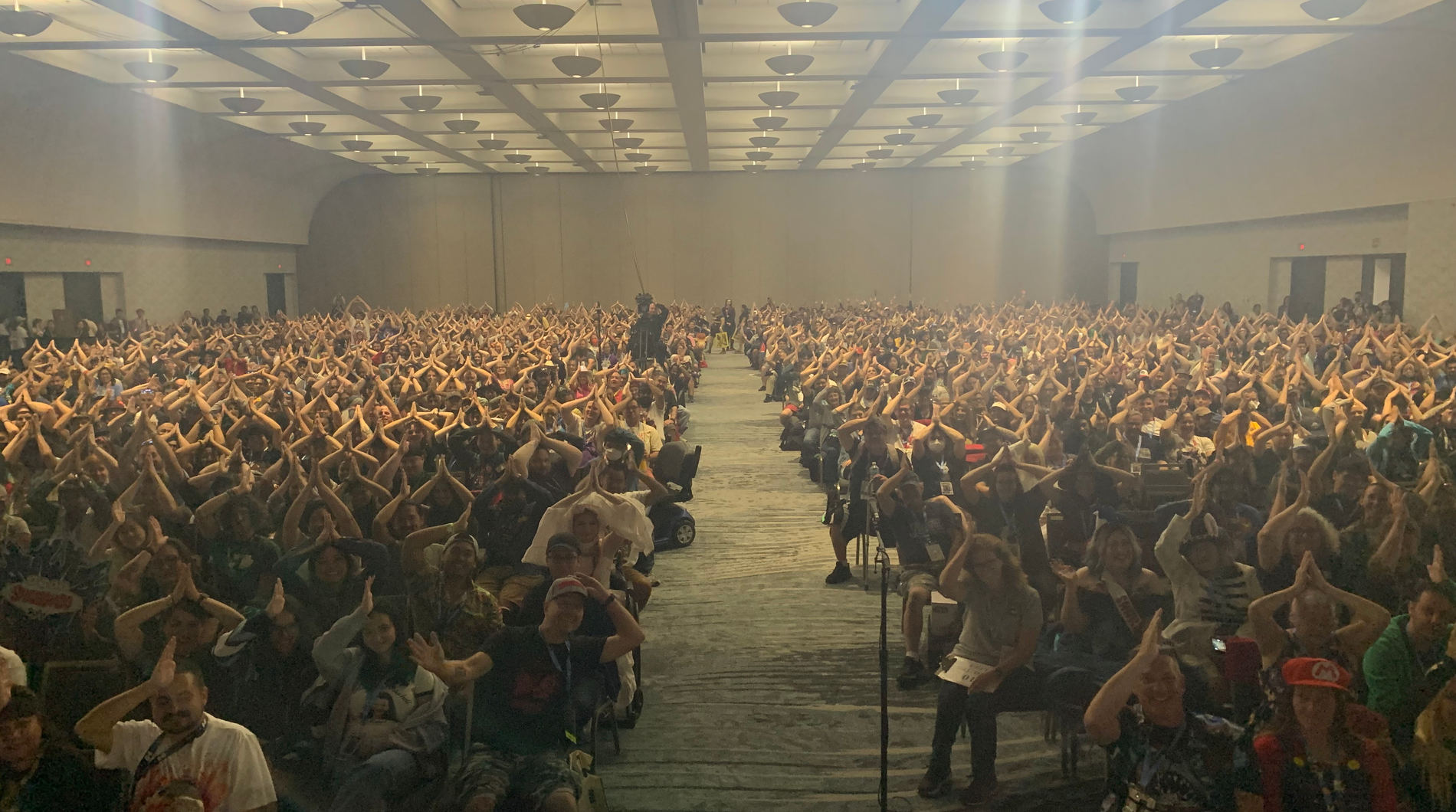
Live event production, logistics and coordination; film premieres and festival activations. Not a side business — it's why the brand work holds up. A brand that has never been tested at load-in is a brand nobody has tested.
We manage one artist full time. Once in a while there's room for one more, usually for personal brand management or a specific campaign. What earns that seat: a message we believe in, and a demonstrated commitment to paying vendors fairly and on time.

A documentary the platforms wouldn't carry advertising for, two weeks to theatrical, and a media narrative working against it. We abandoned the paid playbook and built the campaign on organic and grassroots distribution.

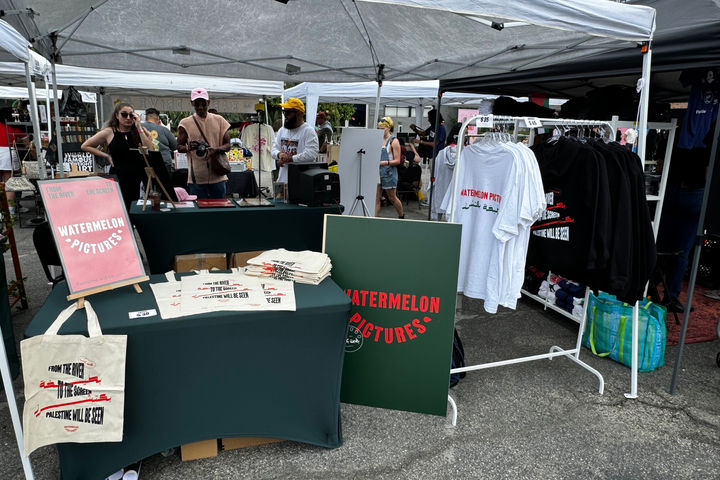
A new film studio with no audience, launching into a subject where every paid channel was unreliable. Growth came from a deliberately unscalable decision: answering comments, DMs and story shares personally, and holding the brand guidelines without exception.

A sixty-minute set at the Pacific Amphitheatre for OC MENA Festival, on a short runway with a budget stretched past where it should have gone. We built the show inside the constraint so the money landed where an audience would see it.

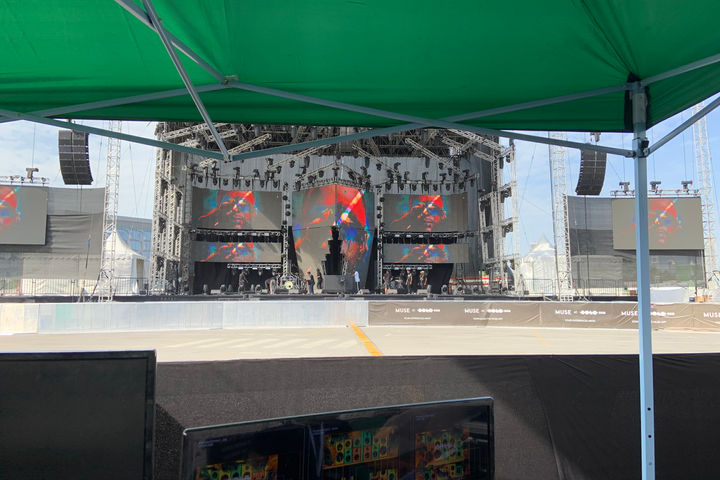
Sole DXB, and LED walls whose dimensions nobody had planned for. We coordinated two visualizer vendors and the house playback team to rebuild the visual package to spec, inside the window.
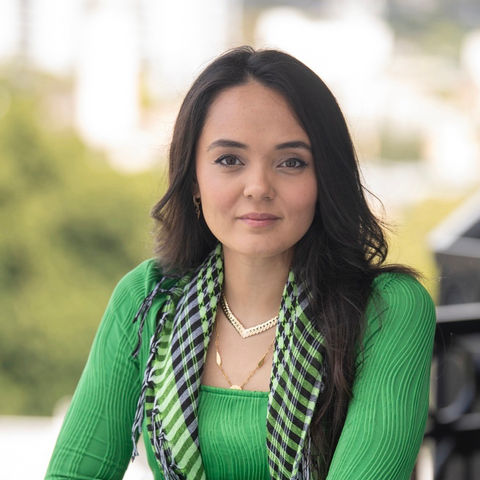
Fifteen of them before I turned eighteen. I don't lead with that for sympathy. I lead with it because it's the most honest explanation of how I work.
Moving that often makes you a professional reader of rooms. You learn quickly that what's polite here is rude there, that the thing everyone assumes is universal usually isn't, and that every place has its own aesthetic language and its own unwritten social contract. You also learn to keep iterating on how you show up. That's the entire skill set, and I've been practising it since I was a kid.
Eight years in Dubai in live performance, events and talent management shaped the rest. Then COVID took live entertainment off the table and I moved into brand and film marketing: three years running marketing for a cult film studio, then building a new film studio's presence from nothing during a period when every platform was working against the subject matter.
That last one took a toll. I stepped back for a few months to look after my health and my family, and came back to freelance with a firmer moral foundation and the confidence to turn down work that doesn't align with it. I hold hard boundaries around my time now, because it's the only way to keep showing up at the level clients are paying for.
No pitch deck required. An email describing the problem is a perfectly good start, and the more specific you are, the more useful the first reply will be.
kristina@themngmint.com Brand management · Social & digital strategy · Community · Live production